CLIMB DENALI VIA THE WEST BUTTRESS
Some mountains are quiet.
Others call you by name.
If you’re here, you already know which one this is.

Small company.
Big mountains.
Goals can linger for years. As life moves faster, the mountain stays the same.
The summit is part of the story, but on the West Buttress route, everyone knows the journey shapes you.
The right team makes the climb possible. The right preparation makes it meaningful.
Every detail is calibrated for success.
Every detail is calibrated for success: Route strategy. Weather windows. Conditioning. Team cohesion.
We guide you through every step with the precision earned from leading more climbers up Denali than any other guide service.
Preparation Checklist
- Review expedition itinerary and route information
- Review weather expectations and altitude-related risks
- Arrange for time away from work/family for a 24–25 day expedition window
Confirm climbing dates and travel plans
Complete registration process and submit deposit
- Acquire travel insurance that covers high-altitude mountaineering
- Begin structured training at least 4–6 months out
- Test all personal equipment before travel
- Complete NPS registration and pay the Mountaineering Special Use Fee
- Coordinate gear rental needs early (crampons, boots, etc)
- Schedule pre-trip video conference with your guide
Submit medical information and emergency contacts
Pack food preferences or comfort snacks if desired
Physical Readiness
- Ability to carry 40–60+ lb packs for multiple hours per day
- Ability to pull 30–50 lb sleds on the lower glacier
- Comfort moving on steep snow, fixed lines, and exposed terrain
- Solid cardiovascular base (sustained aerobic output for 1–2 hours)
- Functional strength for uphill movement under load
- Good balance and footwork in crampons
- Consistent training 4–6 days per week in the months before departure
- Experience hiking or climbing in cold, snowy, or windy conditions
- Mental resilience to handle long weather holds and high-camp stress
- Familiarity with self-assessment at altitude (hydration, nutrition, AMS awareness)
Gear Overview
- Technical Gear
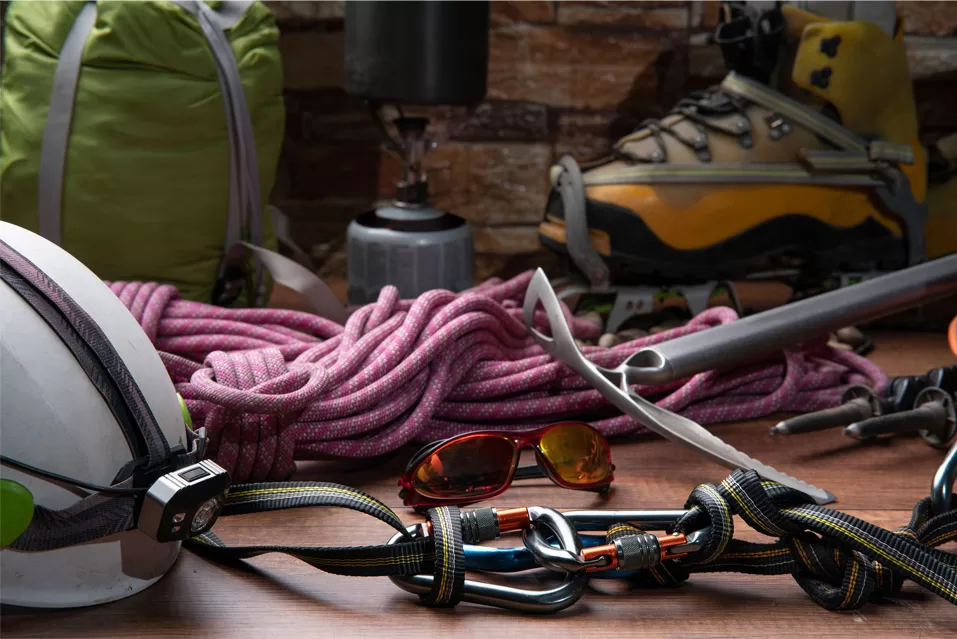
Ice axe, crampons, climbing harness, locking carabiners, ascender, prusiks, trekking poles - Footwear
Double mountaineering boots and overboots or triple mountaineering boots - Clothing System
Base layers (synthetic or wool), mid-layers, soft-shell layers, waterproof layers, insulated jacket and pants, expedition-weight parka, multiple gloves/mitts, buff, and glacier glasses - Camping & Sleep
Cold-rated sleeping bag, sleeping pad, bowl/mug utensils, personal repair kit - Carrying Systems
Expedition pack (90–100L+), duffel for sled - Personal Items
Sunscreen, lip protection, blister kit, medications, hygiene essentials, power banks - Provided by Mountain Trip
Tents, ropes, stoves, cooking gear, snow shovels, group repair kits, sleds, wands, pickets
Recomended Resources
Mountain Trip’s Denali Information Booklet
In-depth briefing on history, expectations, altitude, daily schedules, and logistics.Expectation Management on Denali (PDF)
Helps climbers align personal readiness and expectations with real expedition demands.SummitDenali.com
Detailed route info, preparation advice, equipment walkthroughs, and guide insights.Uphill Athlete 24-Week Mountaineering Training Plan
Free to Mountain Trip climbers; proven structure for Denali-level fitness.NPS Denali Mountaineering Pages
Registration, fee info, ranger guidelines, route conditions, and historical data.Weather & Forecast Tools
NWS Denali, Mountain Forecast, and regional aviation weather for pilot delays.Suggested Reading
“Denali’s West Buttress” by Colby Coombs
“Surviving Denali” by Jonathan Waterman
Any high-altitude/expedition resources from The American Alpine InstituteGlacier Travel & Crevasse Rescue Learning Sources
Glacier Climbing & Crevasse Rescue, Essential Skills for Snow Travel, by Ian Nicholson, Crevasse rescue refreshers, and Mountain Trip skills videos
What is The West Buttress Like?
Roped Glacier Travel
Steep Snow/ Fixed Lines
Camp Building
Weather Holds
Exposed Ridge
- Led by the guides who know the mountain best.
- Trusted for Denali, Everest, Aconcagua
- Leadership shaped by decades of judgment
- 40 years of guiding the world’s most iconic peaks.
- High guide ratios and small teams
Everything you need for planning
Five Hard-Earned Stars:
(226 Actual Reviews)
We all learned heaps of technical skills from them, right down to the very small tips and tricks that only come from 10+ trips to the Alaskan Range.
Hands down the best operators on Denali, and the best guides I’ve ever had the pleasure of meeting. Ty, Aili & Taylor led our group of five in May 2025. Their combined experience turned what is technically a very inhospitable and hazardous place into a safe and fun experience for us all.
You’ll find that Mountain Trip are usually the most recommended company when you ask around about Denali.
Once you reach 17k camp, and go beyond for the summit push their experience is even more important… Ultimately they put together a plan which saw safe and successful summits.
My son (19) and I (44) did an open trip … There were 9 of us and 3 guides. It didn’t feel rushed, crowded, or too slow. The “main event” was jaw-dropping. Even my son … was quaking a little bit. It was intense, but amazing. The guides Tom, JP, and Marcus were all very personable and did a great job of explaining and demonstrating how to use all the gear … Incredible experience!
Talk to the people who will guide your climb.
A real conversation that brings clarity, not pressure.
Still have questions about climbing Denali?
Open the questions to learn more about the climb or hit that contact button below to get on the phone with us.
Know Before You Go FAQs
How hard is it to climb Denali?
Climbing Denali is physically and mentally demanding. While the West Buttress route is not highly technical, it involves extreme cold, heavy loads, long days, high altitude, and sustained exposure to severe weather. Climbers often carry 80–100 lb loads early in the expedition and must function effectively in arctic conditions.
What is the West Buttress route on Denali?
The West Buttress is Denali’s most commonly climbed route and the standard guided line. It begins on the Kahiltna Glacier at 7,200 ft and ascends via the West Buttress proper to the 20,310 ft summit. The route involves glacier travel, fixed lines, steep snow climbing, and an exposed summit ridge.
How long does it take to climb Denali?
A typical Denali West Buttress expedition lasts 17–22 days, including acclimatization and contingency days for weather delays. Summit attempts usually occur around days 14–16 if conditions allow.
How difficult is the West Buttress route?
Technically, the route is moderate. The real difficulty comes from altitude, cold, load carrying, and endurance. Climbers must be competent with crampons, ice axes, roped glacier travel, fixed lines, and sustained movement while fatigued.
How much does a Denali expedition cost?
Guided Denali expeditions with Mountain Trip start at $12,900 reflecting logistics such as glacier flights, food, experienced guide staff, equipment, and extended expedition length. Additional costs include flights to AK, personal gear, park fees, insurance, and gratuities.
What experience do you need to climb Denali?
Climbers should have prior mountaineering experience, including snow travel, crampon use, ice axe technique, roped glacier travel, and carrying heavy loads at altitude. Physical conditioning and prior exposure to cold environments are essential.
What training is required for Denali?
Denali climbers must arrive in excellent physical condition. Mountain Trip provides a 24-week custom mountaineering training program designed by professional coaches to prepare climbers for the physical and endurance demands of the expedition.
What is summit day like on Denali?
Summit day is long and demanding, often 9–12+ hours round-trip. Climbers travel from High Camp (17,200 ft) to Denali Pass, across exposed terrain, and along a narrow summit ridge. Weather must be calm and clear, and guides make final decisions based on safety.
What are the chances of summiting Denali?
Summit success depends on weather, conditions, team strength, and individual preparation. Even well-prepared teams may turn around due to wind, cold, or storms. No Denali climb can guarantee a summit.
How long is the West Buttress route?
The route covers multiple glacier sections and camps, with summit day alone involving approximately 5 miles round-trip. Total distance varies based on camp placements and conditions.
Can beginners climb Denali?
Denali is not a beginner mountain. While some skills can be refined during the expedition, climbers must arrive with a solid foundation of mountaineering skills and fitness to safely progress on the upper mountain.
Is Denali harder than Everest?
Denali is often considered physically harder than Everest due to colder temperatures, heavier loads, and lack of supplemental oxygen. While Everest is higher, Denali’s arctic latitude makes it exceptionally demanding.
How do guided vs unguided Denali climbs compare?
Guided climbs offer structured logistics, professional risk management, weather analysis, and experienced leadership. Unguided climbers must manage permits, logistics, rescue planning, and decision-making entirely on their own.
What gear is required for Denali?
Denali requires specialized cold-weather mountaineering equipment, including double or triple boots, expedition down parkas, layered clothing systems, glacier travel gear, and expedition tents. All gear must be in excellent condition and appropriate for arctic conditions.
What temperatures do you experience on Denali?
Temperatures on Denali can drop well below -20°F (-29°C), with wind chill making it significantly colder. Extreme cold is one of the defining challenges of the mountain.
Why is Denali so expensive to climb?
Costs reflect the length of the expedition, remote logistics, bush flights to the glacier, experienced guide staff, food, an 11% franchise fee paid to the NPS, training resources, and the need for extensive contingency planning due to weather.
How many people reach the summit each year?
Summit numbers vary annually depending on weather and conditions. Over a thousand people attempt Denali each season, but only about 50% successfully reach the summit. Summit rates for guided climbers are significantly higher than average.
What time of year is best to climb Denali?
The primary climbing season is May through early July, when daylight is long and conditions are most favorable. Weather remains unpredictable even during peak season.
How dangerous is the West Buttress route?
While it is the least technical route on Denali, the West Buttress is still a serious alpine climb. Hazards include crevasses, avalanches, extreme cold, storms, altitude illness, and exhaustion. Risk management and preparation are critical.
Mountain Trip is an industry leader and AMGA accredited business, offering the highest quality expeditions to big, remote mountains around the world. We are the only guide service in Colorado that can take you from the San Juan Mountains to the Seven Summits, and are the longest continually-operating guide service on Denali, since 1976.
- Mountain Trip
- Call: 970-369-1153
- P.O. Box 3325 Telluride, CO 81435